


Are you
Ready for the magic?
- Looking for perfect skin in 2023?
- Would you like to stand out in the crowd and shine?
- Are you ready to glow natural beauty?
The ManukaSea™ 3 Step Skincare Regime works wonders.

As seen on Today Tonight
Manuka Honey is being called a 'cure all'....
... And on the skin it works wonders.
- Stimulates tissue regrowth involved in the healing process
- Helps reduce acne, blemishes, eczemas and psoriasis
- Helps repair damaged skin

Discover
Here's how...
Three uniquely formulated, premier products synergise to unleash beautiful, glowing, healthy skin in record time.

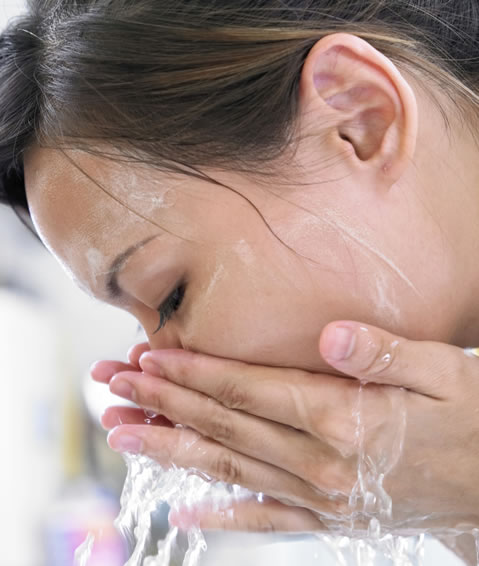
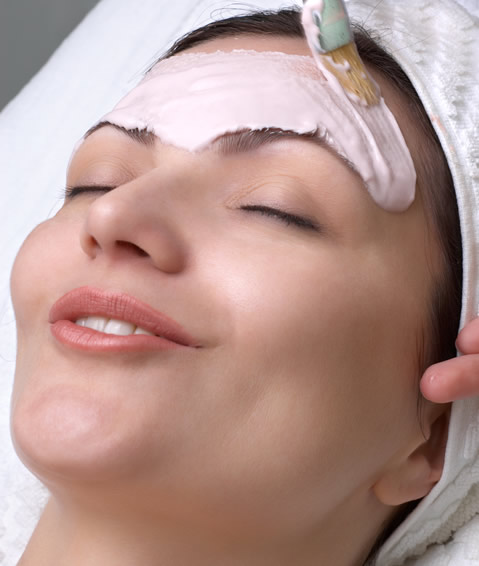

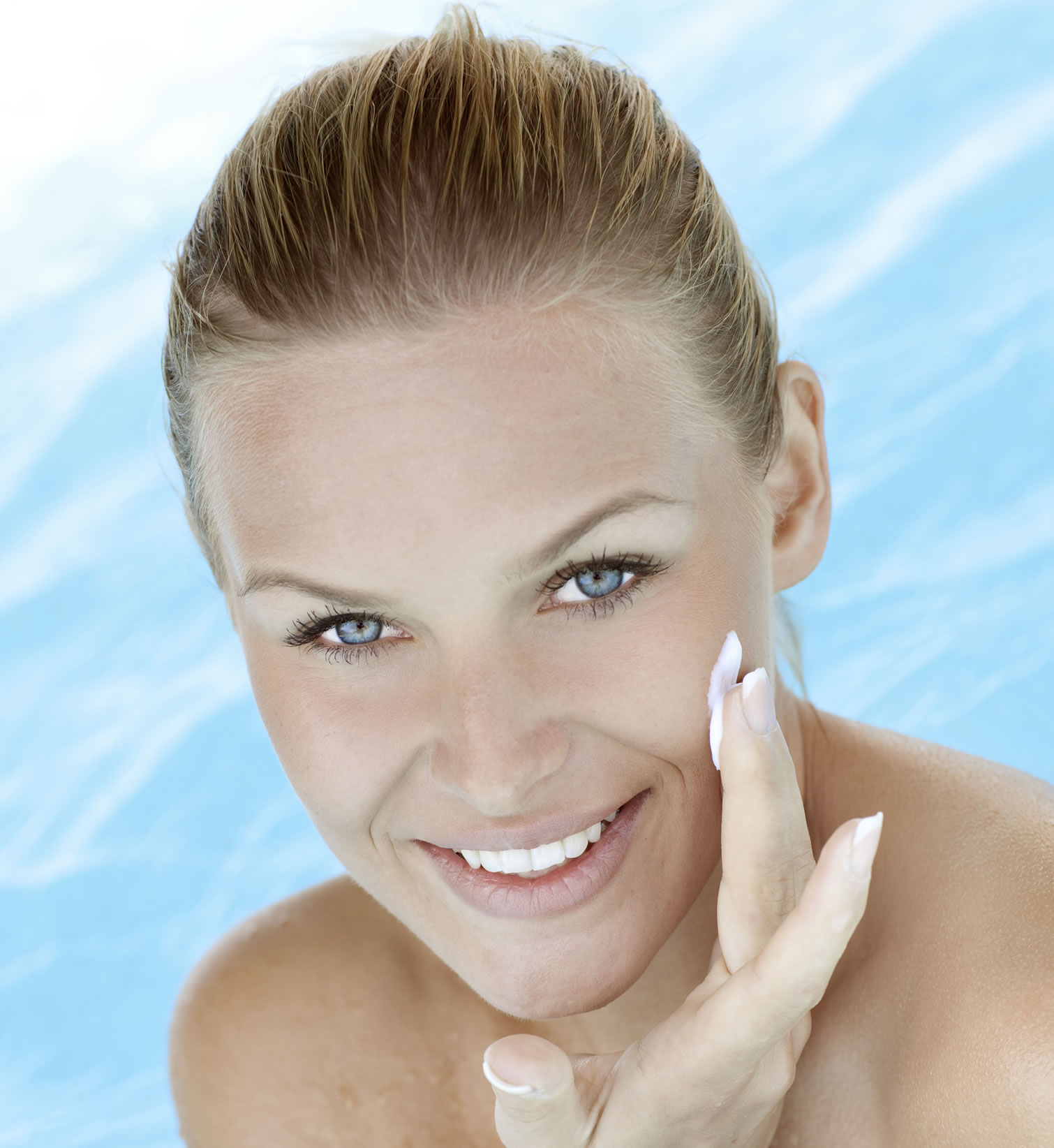
Let your skin grow
and glow!
On their own each product is amazing,
together, the results are incredible!
Nothing else can cleanse toxins and speed up cell renewal like ManukaSea™.
Say goodbye to the 6 or 7 products you used to use and spend just minutes, not hours treating your skin each day!
Suitable for ALL skin types
Lasts up to 90 days. Works for all ages. Is hypoallergenic...





90 Day Money Back Guarantee
We're so confident in the magic we offer a strong guarantee. If you find that results aren't as expected, simply take advantage of our 90 day money back guarantee and we'll refund your money.

Australian Owned
We are proudly an Australian owned, family operated business. Our products are proudly made in Australia and are shipped worldwide. When you support us, you're supporting jobs for Australians.
What makes manuka so unique?
ManukaSea interviews the man who's research put manuka honey on the map. The late Professor Peter Molan reveals why he devised manuka honey activity ratings.
Listen now.